
- 11Done
- June 30, 2026
- Safety Guides
How to Unblock a Drain: Efficient DIY Me...
Did you know that wet wipes are linked to nearly half of all sewer blockages in the UK? It's a staggering figure. It explains why so many households face standing water and foul smells. You want a quick fix. You don't want to spend your evening staring at a sink that won't empty. You certainly don't want to worry about the stress of an expensive call-out fee. It's frustrating. It's messy. We understand. This guide shows you exactly how to unblock a drain using efficient DIY methods. You'll master the physics of the blockage. You'll learn how to clear it without causing damage. We cover simple plunger techniques, effective chemical options, and the clear signs that it's time to call in a professional. You'll get your pipes flowing again. You'll gain the confidence to know when the job requires expert kit. We also look at the upcoming May 2027 ban on plastic wet wipes and how to prevent future clogs. It's about clarity and speed. Let's get started.
Key Takeaways
- Recognise the early warning signs of a blockage, such as slow-draining water and gurgling sounds in your pipework.
- Master how to unblock a drain using a combination of simple household solutions and effective mechanical tools.
- Implement proactive measures, including sink strainers and proper fat disposal, to keep your drainage system clear and functional.
- Identify the specific symptoms that indicate a structural failure, ensuring you know exactly when to call for professional blocked drain clearance.
Identifying the Blockage: Signs and Common Causes
Identifying a blockage before it becomes a household emergency saves both time and money. You need to know the warning signs. Slow drainage in your sink, bath, or shower is usually the first indicator. If water lingers around your feet during a shower or takes minutes to clear from the kitchen basin, a clog is forming. Gurgling sounds are another red flag. These occur when air is trapped by debris and forced through the water whilst it tries to pass. You might also notice a sulphurous, rotten egg smell. This is the scent of decomposing organic matter stuck in the pipes. If you flush the toilet and the water level rises higher than usual, the problem is likely deeper in the system. Check your property's exterior too. Unexplained puddles or damp patches near external gully points suggest a serious obstruction. To understand the mechanics of your system, it helps to know what is a drain and how gravity-led waste removal functions.
The Usual Suspects: Kitchen vs Bathroom
The cause of the problem usually depends on the room. In the kitchen, the main culprits are fats, oils, and grease, often referred to as FOG. These liquids seem harmless when warm. They solidify quickly inside cold pipes. They act like glue, trapping food scraps and coffee grounds. In the bathroom, the mixture is different. It is usually a tangle of hair, soap scum, and toothpaste residue. These materials bind together to create a thick, waterproof plug. Then there is the "flushable" myth. Many products, specifically wet wipes, are marketed as flushable. They are not. They don't break down like toilet paper. Instead, they catch on pipe joints and form the basis of massive blockages that require professional intervention.
In cases where persistent blockages are caused by an inefficient or aging plumbing layout, a complete renovation can be the most effective long-term solution. While this guide covers DIY fixes, specialists like WDC Services demonstrate how professional kitchen and bathroom renovations can improve overall system reliability and prevent future drainage issues.
Internal vs External Blockages
Knowing where the blockage sits determines your next step. Localised clogs often occur in the U-bend or P-trap directly under the fixture. These are the easiest to fix. If you are researching how to unblock a drain, starting with these accessible points is the most efficient move. However, if multiple fixtures are backing up at once, the issue is likely in the main line. This is a more complex problem. You also need to establish responsibility. Homeowners are typically responsible for drains within their property boundaries that serve only their home. If the blockage is in a shared or lateral drain, your local water company usually takes over. Knowing this distinction prevents wasted effort and unnecessary costs.
Effective DIY Methods to Unblock a Drain
Most blockages start as minor inconveniences. You can resolve them quickly if you have the right approach. Before you begin, clear all standing water from the basin or tub. You need direct access to the plug hole for any method to work. This ensures your cleaning agents aren't diluted before they reach the obstruction. Learning how to unblock a drain effectively means prioritising methods that won't damage your plumbing system. Avoid the temptation to reach for harsh, caustic cleaners immediately. These can linger in the pipes and cause long-term corrosion.
The Bicarbonate of Soda and Vinegar Reaction
This is a reliable, non-toxic method for tackling organic clogs. It relies on a simple chemical reaction to create pressure and movement within the pipe. Pour exactly half a cup of bicarbonate of soda down the drain. Follow it immediately with half a cup of white vinegar. The resulting fizzing action works to break down grease and soap scum whilst it's trapped in the pipework. Leave the mixture to sit for 30 minutes. It's a quiet, efficient way to loosen debris without the need for aggressive scrubbing.
The Hot Water Flush
Many generic guides suggest using boiling water. We advise against this. Extremely high temperatures can melt the wax seals in your toilet or soften modern PVC pipework. Instead, use hot tap water. Pour it in a steady, continuous stream to melt residual fats and grease. Repeat this process three times for stubborn build-up. If the water still drains slowly after several attempts, you might require professional blocked drain clearance to restore full functionality to your system.
Mechanical force is often necessary when chemical reactions fail. A standard cup plunger is the best tool for sinks and baths. To use it effectively, cover the overflow with a damp cloth. This prevents air from escaping and ensures a tight vacuum. Press down firmly and pull up sharply for about 20 seconds. This rhythmic pressure change often breaks the clog into smaller pieces that can easily wash away.
For a guaranteed result, clean the P-trap manually. This is the U-shaped pipe located directly beneath your sink. It's designed to hold water and block sewer gases, but it's also where most heavy debris settles.
- Place a bucket underneath the pipe to catch any spills.
- Unscrew the plastic slip nuts by hand.
- Remove the trap and clear out any hair, grease, or trapped objects.
- Rinse the pipe with hot soapy water before reassembling.
Mechanical Tools for Stubborn Blockages
Physical force is sometimes the only solution. If liquid methods fail, mechanical tools provide the necessary leverage. You don't need a van full of equipment. You just need the right tool for the specific fixture. Understanding the physics of how to unblock a drain ensures you don't waste energy. It's about concentrated pressure. It's about targeted movement. These tools bridge the gap between simple maintenance and calling a specialist. They allow you to address the obstruction directly without relying on chemical reactions.
Choosing the correct plunger is vital. Most people own a standard cup plunger. These are designed for flat surfaces. Use them on kitchen sinks, bathroom basins, and baths. They create a seal against the flat bottom of the fixture. Toilets require a flange plunger. This model features an extended rubber flap that fits snugly into the toilet trap. It prevents air from escaping during the plunge. Using a cup plunger on a toilet is inefficient and often messy. It's a common mistake that leads to unnecessary frustration. Get the right tool for the job.
Mastering the Plunger
Success depends on the seal. Apply a thin layer of petroleum jelly to the plunger's rim. This creates a more effective vacuum against the porcelain or plastic. If you're working on a sink or bath, find the overflow outlet. Block it completely with a damp cloth. This is a critical step. Without it, the pressure you create simply escapes through the overflow pipe. Use firm, vertical strokes. Maintain a steady, rhythmic motion for 20 seconds. The goal is to move the water back and forth until the obstruction dislodges. It's a simple, pragmatic approach that yields results.
Plumbing Snakes and Drain Augers
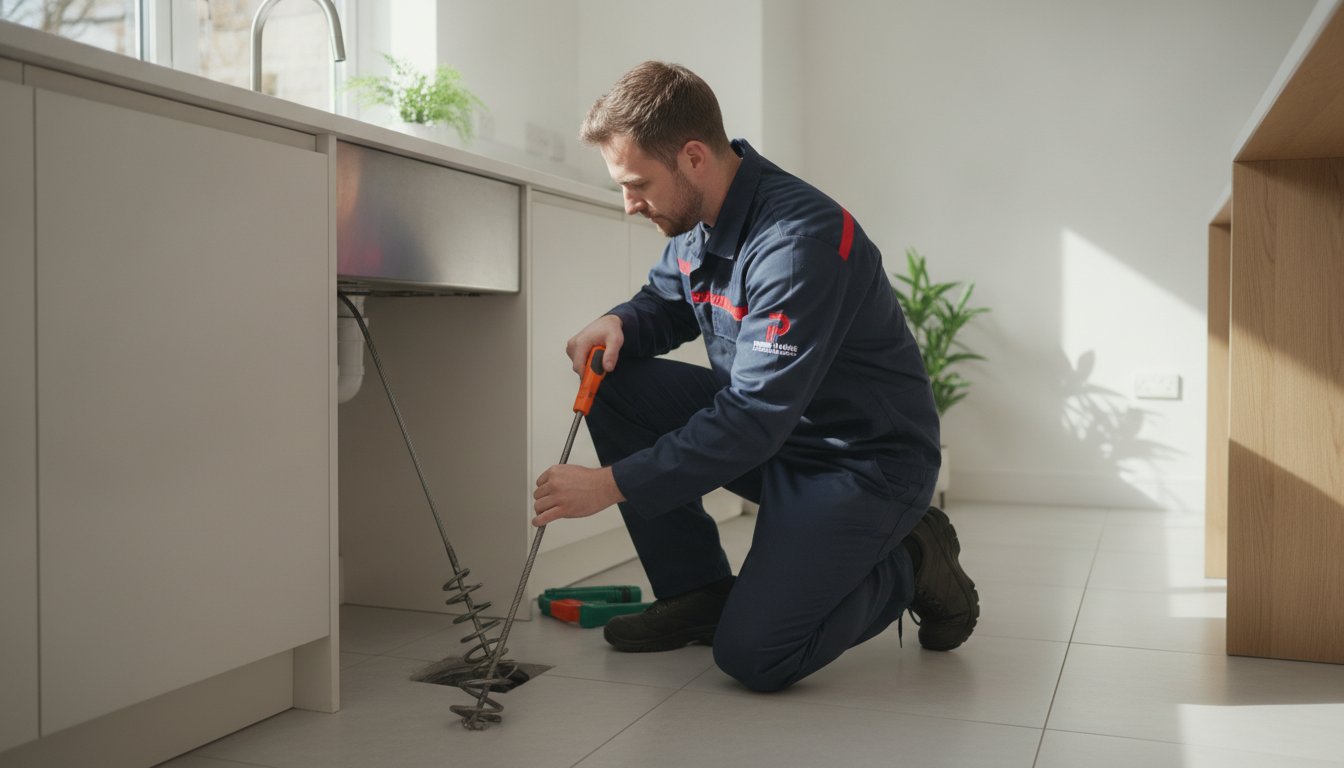
Deep clogs require more reach. A plumbers snake, or drain auger, consists of a flexible metal cable. It's designed to navigate the sharp bends in your pipework whilst maintaining enough strength to clear debris. Feed the cable into the drain slowly. Continue until you feel resistance. This is the blockage. Rotate the handle to engage the cable's head. You're either hooking the material to pull it out or breaking it into smaller pieces. Withdraw the tool slowly. This prevents splashing dirty water across your bathroom. It's a methodical process that requires patience and steady hands.
For shallow clogs, a wire coat hanger is a useful alternative. Straighten the wire but leave a small hook at one end. It's particularly effective for removing hair from shower drains. Insert it carefully. Fish around the top of the P-trap. You'll often pull out the primary cause of the slow drainage in seconds. It's a no-nonsense fix that costs nothing. However, never force a coat hanger deep into the system. You risk scratching the pipes or getting the wire stuck. If the obstruction is beyond your immediate reach, it's time to consider professional assistance.

Preventing Future Blockages: The Proactive Approach
Mastering how to unblock a drain is a vital skill. However, preventing the issue entirely is the most efficient strategy. It saves time. It eliminates stress. Most household blockages are avoidable with minor changes to your daily habits. It's about being methodical with what enters your pipes. A proactive stance keeps your drainage system free-flowing and reduces the risk of foul odours or slow-draining water. It's the simplest way to ensure your plumbing remains reliable.
Start with physical barriers. Install high-quality sink strainers amongst all kitchen and bathroom basins. These simple mesh inserts catch food scraps, small objects, and hair before they enter the P-trap. In the bathroom, hair is the primary offender. Brush your hair before showering. This simple habit removes loose strands that would otherwise bind with soap scum to create a stubborn plug. It's a pragmatic step that takes seconds but prevents hours of future work. Consistency here is the difference between a clear pipe and a recurring emergency.
Managing Fats, Oils, and Grease (FOG)
The UK drainage network faces a significant threat from "fatbergs." These are massive, rock-like masses of solidified grease and non-biodegradable items. They often start in domestic kitchen sinks. Never pour cooking fats down the drain whilst they are liquid. They will cool and solidify deep within your pipes, catching other debris as it passes. Instead, wait for grease to harden in the pan. Scrape it directly into the food waste bin. For greasy pans, wipe them with a paper towel before washing. This ensures only soapy water enters the system, protecting both your property and the wider sewer network from costly obstructions.
Routine Maintenance Schedule
Consistency is key to long-term pipe health. Implement a weekly maintenance flush using hot tap water mixed with a mild detergent. This helps break down any early soap scum accumulation before it hardens. Once a month, perform a bicarbonate of soda and vinegar flush to keep the internal surfaces of your pipes smooth. Don't forget the exterior of your property. Check your external drain grates for fallen leaves, silt, and garden debris. A clear grate prevents surface water flooding during heavy rain and stops organic material from entering the main stack.
For deep-system health, it's wise to organise a professional blocked drain clearance periodically. This removes the scale and biofilm that DIY methods cannot reach. It's a logical investment in your home's infrastructure. If you've tried the basics and the water still lingers, book a specialist through 11 Done for a guaranteed, no-nonsense solution. Total transparency. Maximum efficiency. That is how you maintain a healthy, functional home without the friction of traditional maintenance.
When to Call 11 Done for Professional Clearance
DIY methods have limits. You've tried the plunger. You've used the vinegar. If the water still sits, the problem is likely structural. Understanding how to unblock a drain often involves knowing when to stop. Forcing a tool into a collapsed pipe causes more damage. Root ingress from nearby trees is another common issue that domestic tools can't touch. These roots find tiny cracks in search of water. They grow. They expand. They destroy. You need a specialist to resolve these deep-system failures.
Watch for the warning signs of a main stack issue. If your kitchen sink, bathroom basin, and toilet all back up simultaneously, the problem isn't local. This is a critical situation. It often leads to sewage back-up. This isn't just a nuisance. It's a health hazard. Contamination spreads quickly through your home. Persistent blockages that return within days suggest a deeper, more stubborn obstruction. Don't waste time on temporary fixes that ignore the root cause. It's time for a pragmatic, professional solution.
Professional Equipment and Techniques
Specialists use high-pressure water jetting for a complete pipe scour. This doesn't just poke a hole in the clog. It strips years of scale, grease, and biofilm from the pipe walls. We also utilise CCTV drain surveys to identify structural damage. This provides a visual map of the interior. We see the problem. We fix it. No guesswork. Our engineers use professional-grade chemicals that are safe for your specific plumbing material, whether it's modern PVC or older lead. It's a precise, data-driven approach to maintenance.
The 11 Done Difference
We eliminate the friction often associated with home service. Our pricing is transparent. You get a fixed fee for your blocked drain clearance with no hidden complications. We use vetted engineers who respect your property and value your time. The process is streamlined. It's logical. It's efficient. We handle the heavy work so you can return to your routine without the stress of recurring clogs. Book your blocked drain clearance with 11 Done today for a guaranteed, no-nonsense result. Get it done. Get it right.
Restore Your Home's Flow Today
You now have a clear roadmap for maintaining your drainage system. Most minor issues resolve quickly with a plunger or a simple bicarbonate of soda flush. You know the importance of keeping fats and hair out of your pipes. These proactive habits prevent the vast majority of household emergencies. However, some clogs are beyond the reach of standard tools. If you've followed the steps on how to unblock a drain and still face standing water, don't risk damaging your pipework further. Persistent smells or multiple blocked fixtures require a specialist's touch.
11 Done provides a streamlined solution. We offer fixed-fee maintenance call-outs with national UK coverage. Our vetted professional engineers use advanced kit to clear even the most stubborn obstructions. No hidden costs. No friction. Just a reliable service that values your time. Book an efficient blocked drain clearance with 11 Done to get your home back to normal. You've handled the basics. We'll handle the rest. Rest assured that your plumbing is in expert hands.
Frequently Asked Questions
Is it safe to use caustic soda to unblock a drain?
It's effective but carries significant risks. Caustic soda dissolves organic matter quickly, yet it generates intense heat that can warp modern plastic pipes or damage older lead joins. It's also highly corrosive to your skin and eyes. We recommend starting with the bicarbonate of soda method mentioned earlier. It's safer for your plumbing and the environment. Always wear protective gear if you choose to use stronger chemical cleaners.
How much does a professional drain unblocking service cost in the UK?
Prices vary significantly based on your location and the complexity of the blockage. Standard call-out fees and hourly rates are common, though costs in London are typically higher than the national average. Look for providers who offer transparent, fixed-fee pricing to avoid hidden complications. This ensures you know the total cost before the work begins. It provides peace of mind during a stressful home maintenance situation.
Can I use a pressure washer to unblock an outside drain?
Yes, provided you use a specialist drain jetting attachment. Standard nozzles are too powerful for close-range pipework and might cause damage. The jetting hose pulls itself into the pipe, scouring the walls and breaking up silt or leaf clogs. It's a highly efficient way to manage external maintenance. Stop immediately if you feel significant resistance. This could indicate a collapsed pipe or root ingress.
What is the best way to unblock a toilet without a plunger?
Use a mixture of washing-up liquid and hot water. Squirt a generous amount of soap into the bowl and let it settle for ten minutes to lubricate the pipes. Follow with a bucket of hot water poured from waist height. Ensure the water is not boiling to protect the porcelain. The combination of lubrication and weight often forces the obstruction through. It's a simple, no-nonsense alternative when you lack mechanical tools.
Is a blocked drain a landlord or tenant responsibility?
Responsibility usually depends on the cause of the clog. Landlords are typically responsible for structural repairs, fair wear and tear, or issues with external stacks. Tenants are responsible if the blockage is caused by misuse, such as flushing wet wipes or pouring grease down the sink. Clear communication and a professional survey can help establish the facts. This ensures the correct party covers the maintenance costs.
Why does my kitchen sink smell even when it is not blocked?
The smell usually comes from a build-up of biofilm or decomposing food trapped in the P-trap or overflow. Even if water passes through, bacteria thrive on the residual grease clinging to the pipe walls. A regular flush with bicarbonate of soda and vinegar neutralises these odours. You should also check the sink overflow. This often overlooked area can harbour stagnant water and debris that causes persistent smells.
How do I know if my drain is blocked or just slow?
A slow drain is a warning sign that a total blockage is imminent. If water takes several minutes to clear but eventually disappears, you have a partial obstruction. A full blockage means the water level remains static or even rises when you add more. Knowing how to unblock a drain at the "slow" stage is much easier. It's more efficient than waiting for a complete system failure.
What should I do if my external drain is overflowing?
Stop using all water fixtures inside the property immediately. This prevents further flooding and potential sewage back-up into your home. Check the surface grate for obvious obstructions like leaves or garden rubbish. If the grate is clear, the blockage sits deeper in the main line. This is a serious issue. It usually requires professional jetting or rodding to clear the system safely and effectively.
Comments