
- 11Done
- July 01, 2026
- Safety Guides
Blocked Drain Landlord Responsibility: W...
Your tenancy agreement doesn't actually decide who pays for a blocked drain. The forensic cause of the clog does. It is a common misconception that the landlord is always liable, or that the tenant is always at fault for what goes down the plug hole. You are likely facing the stress of a slow drain or the nightmare of a sewage backup. You need a solution fast. You also need to know you won't be stuck with an unfair bill for a problem you didn't cause. Confusion over blocked drain landlord responsibility ends here.
We understand the frustration of vague contract wording and the fear of property damage. This article explains exactly who is legally liable for clearance under the Landlord and Tenant Act 1985 and the 2018 Fitness for Human Habitation standards. You will discover how to identify the culprit, whether it is tenant behaviour or structural failure like tree root ingress. We also provide a clear roadmap to resolve disputes using evidence such as CCTV surveys. Get the facts. Resolve the issue. Move on.
Key Takeaways
- Understand how Section 11 of the Landlord and Tenant Act 1985 defines the legal duty to maintain structural drainage.
- Discover how forensic evidence determines blocked drain landlord responsibility by identifying the specific cause of the clog.
- Learn to distinguish between internal plumbing issues and external boundary drains to settle liability quickly.
- Use an "investigation first" strategy with engineer reports to resolve payment disputes with transparency.
- Recognise why professional clearance is vital for protecting property function and avoiding the risks of DIY methods.
Understanding Legal Liability for Blocked Drains in the UK
The legal landscape for drainage is clear. It isn't about guesswork. It's about statutory duty. Section 11 of the Landlord and Tenant Act 1985 serves as the primary legislation for UK drainage liability. This act places the burden of structural maintenance firmly on the landlord. They must keep the supply of water, gas, electricity, and sanitation in good repair. Drains are essential installations. If the pipes fail due to age, tree roots, or structural collapse, the landlord pays. The law is firm on this point.
The Housing Health and Safety Rating System (HHSRS) adds another layer of protection. A home must be fit for human habitation. A blocked drain that causes sewage backup or prevents the use of a toilet makes a property uninhabitable. Under the Homes (Fitness for Human Habitation) Act 2018, landlords have a proactive duty to ensure these systems function. Sluggish drains might seem minor at first. However, if they lead to a total failure of sanitation, the legal clock starts ticking for the landlord to act. They must restore function to maintain the habitability of the dwelling.
The 2018 Act represented a significant move towards higher standards, a trend also seen in the digital sector where agencies like 216digital help businesses stay ahead of the online developments and compliance requirements that emerged that year.
The Landlord and Tenant Act 1985
This legislation ensures tenants aren't left with broken infrastructure. The "keep in repair" clause means the landlord is responsible for the structure and exterior of the building. This includes external pipes and drains. If a pipe bursts or a drain collapses under the driveway, it falls under the landlord's remit. They cannot contract out of these duties. Even if the tenancy agreement says otherwise, the law overrides the contract. Efficiency in repairs is a legal expectation, not just a courtesy.
The Tenant Duty of Care
Rights come with responsibilities. Tenants must act in what the courts call a "tenant-like manner." This means performing basic maintenance and using the property responsibly. You shouldn't expect a landlord to pay for a blockage caused by a child's toy or a year's worth of cooking fat. When a specialist finds these items, the blocked drain landlord responsibility effectively ends. The tenant becomes the party responsible for the bill. It's a pragmatic approach to property management. Common tenant-related causes that shift liability include:
- Flushing "unflushable" items such as wet wipes, nappies, or sanitary products.
- Allowing hair and soap scum to build up in shower traps without cleaning them.
- Pouring grease, oils, and cooking fats into the kitchen sink.
- Neglecting to clear leaves from surface grates whilst they are easily accessible.
When these actions cause the blockage, the tenant is liable for the clearance costs. Clarity matters. Verification is key. This ensures the right person pays for the right problem.
Identifying the Cause: The Deciding Factor in Responsibility
The plumber's report is the final word. It removes the emotion from the situation. It provides cold, hard facts. To settle a dispute, you need forensic evidence. This usually comes from a drainage engineer's investigation. They can see what is happening deep inside the pipework. Without this, it is just one person's word against another's. Deciding blocked drain landlord responsibility requires an objective look at the blockage itself. This is about accountability, not blame.
Before the engineer arrives, both parties must agree on the investigation fee. This is a pragmatic step. Usually, the person who calls the professional pays the initial call-out cost. However, once the cause is identified, the liable party should reimburse the other. It is a simple, logical process. It keeps the work moving without friction. Transparency at this stage prevents long-term stress and unnecessary arguments.
When the Landlord is Responsible
Landlords have clear landlord's legal repair obligations to maintain the structure of the property. This includes the external drainage system and essential installations. When the engineer finds a collapsed pipe, the blocked drain landlord responsibility is confirmed. There is no room for debate. Common structural failures include:
- Collapsed or broken pipes: These occur due to old age, poor installation, or ground movement. No amount of careful use by a tenant can prevent this.
- Tree root ingress: Roots seek water. They can penetrate even tiny cracks in old clay pipes. This is a maintenance issue for the property grounds.
- Pre-existing conditions: If the drain was sluggish on the day the tenancy began, it is a landlord issue. They must provide a functional system from day one.
When the Tenant is Responsible
Tenants pay for negligence. It is that simple. If the blockage is caused by misuse, the financial burden shifts. A professional blocked drain clearance service will identify exactly what is clogging the system. Verification is instant. Typical tenant-fault causes include:
- Fatbergs: These are solid masses of cooking oil and grease. They never belong in a sink. They solidify and catch other debris over time.
- Unflushables: Wet wipes, nappies, and sanitary products are the most common culprits. Even "flushable" wipes often cause issues in older systems.
- Foreign objects: We have seen everything from children's toys to toothbrushes. These are clear signs of accidental or intentional misuse.
- Excessive hair build-up: This is common in shower and bath traps. Regular cleaning is a tenant's basic maintenance duty.
A written report with photos is your best defence. It provides the verification needed to settle the bill. Don't rely on guesses. Get the evidence. Resolve it fast. This approach ensures the property remains functional and the relationship stays professional.
Blocked Outside Drains vs Internal Plumbing Issues
Location dictates the first step. Internal plumbing issues usually occur within the house. Sinks, toilets, and U-bends are the primary sites. These are often linked to daily domestic use. External drainage is different. It involves the pipes buried beneath the garden or driveway. Understanding the physical boundary of the property is essential. It defines where blocked drain landlord responsibility begins and ends. Clear boundaries prevent wasted time and misdirected invoices.
Since October 2011, most shared external sewers are maintained by the local water authority. This was a significant legal shift. Before this date, many homeowners were responsible for large stretches of pipework they didn't even use. Now, if a pipe serves more than one property, it is likely a public sewer. If the blockage is located in this shared section, you don't need a private engineer. You need your local water company. They clear these blockages free of charge. It is a vital distinction that can save both landlords and tenants hundreds of pounds.
The Water Industry Act 1991 and Shared Sewers
The Water Industry Act 1991 provides the framework for our modern sewage system. The 2011 transfer of private sewers to public ownership simplified liability. To identify a public sewer, look at your neighbours. If their toilets are also backing up, the problem is likely in the shared main. Private drains only serve a single building. If the clog is in a pipe that only carries waste from your home, it remains a private matter. Call a specialist to investigate blocked drain landlord responsibility. If the system is shared, call the water company immediately. They are the only ones authorised to work on public assets.
Outside Drains and Guttering
External maintenance is a structural requirement. Landlords must ensure that gutters and external gullies are clear. Falling leaves and silt are natural occurrences. They are not caused by tenant negligence. If a landlord fails to clear these, water can overflow. This leads to penetrating damp and foundation damage. It is a false economy to ignore them. Tenants have a duty too. They must report overflowing gutters or blocked surface grates as soon as they notice them. Proactive reporting prevents internal damage. It keeps the property habitable and protects the deposit. Simple communication avoids complex repairs later.

Handling Investigations and Repairs Without Dispute
Disputes arise when facts are missing. Avoid the "he said, she said" trap. An investigation-first approach protects everyone. It ensures the right person pays the bill based on evidence. Transparency is your best tool. Agree on the process before the engineer arrives. This prevents friction later. It keeps the relationship professional. Deciding blocked drain landlord responsibility should be a logical process, not a confrontation. Get the facts. Fix the drain. Move on.
Landlords and tenants often clash over call-out fees. The solution is a pre-emptive written agreement. State clearly: the party at fault pays the final invoice. This includes the investigation fee. If the cause is inconclusive, split the cost. This pragmatic approach keeps the property functional whilst the investigation happens. It avoids the stalemate of a property with no working toilets. Speed is essential to prevent sewage backup and property damage. Professionalism saves money.
The 4-Step Resolution Protocol
Follow a clear protocol. It works every time. Efficiency is the priority here.
Step 1: The tenant reports the issue immediately. Delaying makes the problem worse and more expensive.
Step 2: The landlord organises professional blocked drain clearance UK to restore function.
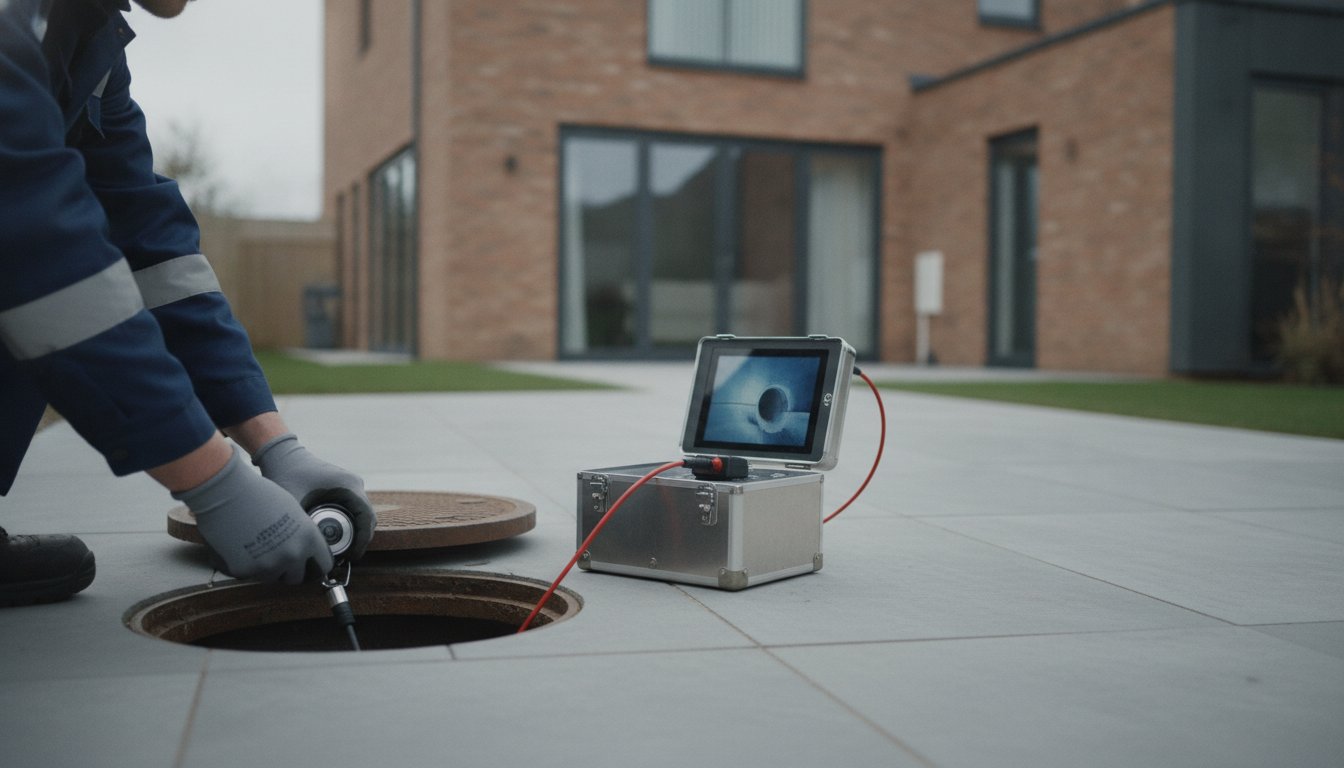
Step 3: The engineer identifies the cause. They use rods or CCTV to look for misuse versus structural failure.
Step 4: The invoice is assigned. The evidence dictates who pays.
Simple. Efficient. Fair.
Evidence for Deposit Disputes
The Tenancy Deposit Scheme (TDS) relies on proof. A professional invoice is vital. It must include a "cause of blockage" note. Photos are even better. If the engineer finds wet wipes, the tenant pays. If they find tree roots, the landlord pays. Use the check-in inventory to prove the system worked at the start of the tenancy. Fair wear and tear is rarely an excuse for a total blockage. Drainage systems don't just stop working without a reason. Forensic evidence settles the matter instantly.
During the investigation, the engineer acts as an impartial judge. They use rods, high-pressure jets, or CCTV cameras. They aren't there to take sides. They are there to find the truth. Their report should detail the location and nature of the clog. For example, a blockage found 15 metres from the house in a collapsed pipe is structural. A clog in the kitchen U-bend filled with fat is misuse. This level of detail is what the TDS requires to make a fair ruling. Don't wait for the end of the tenancy to settle the bill. Resolve it while the evidence is fresh. Proper documentation ensures that neither party feels cheated. If the landlord is liable, they must handle the repair costs as part of their blocked drain landlord responsibility.
Secure the evidence you need by booking a professional blocked drain clearance today.
Professional Drain Clearance: Restoring Property Function Fast
DIY methods are a gamble. They often fail. Pushing a blockage further into the stack pipe creates a structural nightmare. It turns a simple sink clog into a full-scale excavation. Professional intervention is the only way to ensure the system is fully cleared. This is critical for meeting "fit for habitation" standards. Speed is the priority. Efficiency is the goal. Proper clearance protects the property and ensures the landlord meets their legal duties without delay.
A property without working drainage is a legal liability. It triggers risks under the Housing Health and Safety Rating System (HHSRS). You cannot afford to wait. You need a solution that works the first time. Professional engineers don't just poke a hole in the debris. They restore the full diameter of the pipe. This prevents the immediate return of the problem. It provides peace of mind for both parties. It keeps the property safe and functional.
Why Professional Help Beats DIY
Harsh retail chemicals are a bad idea. They are corrosive. They can eat through old lead joints or damage fragile clay pipes common in British homes. They often fail to reach the source of the clog. High-pressure water jetting is the gold standard. It strips the pipe walls clean. It removes the fat, silt, and scale that manual rodding leaves behind. Statistics show that 70% of residential blockages are resolved in a single visit lasting under an hour. Professionals provide a total solution, not a temporary fix. They ensure the system is clear from the sink to the sewer boundary.
The 11 Done Approach to Maintenance
We eliminate the friction of home maintenance. 11 Done acts as a bridge between the problem and the solution. Our engineers are vetted and highly organised. They provide the forensic written evidence required to settle blocked drain landlord responsibility once and for all. You get photos. You get a clear, declarative cause of the blockage. No more guessing. No more unfair costs. Our pricing is transparent. No hidden complications or corporate-speak. Just results.
We value your time. Our tech-savvy platform simplifies the booking process. It removes the stress of finding a reliable expert in an emergency. You get a professional who understands the legal framework of tenancies. They provide the documentation needed for the Tenancy Deposit Scheme (TDS). Use our simple, online booking for blocked drain clearance to restore property function today. We handle the difficult work. You get the resolution you need. Fast.
Take Control of Your Property Maintenance
Drainage disputes don't have to be stressful. You now know that blocked drain landlord responsibility depends on the forensic cause of the clog. Structural failures fall to the landlord. Negligence falls to the tenant. Shared sewers belong to the water authority. It's a logical system built on evidence. Don't let a slow drain turn into a heated argument. Clarity is the best way to maintain a professional relationship. Get the facts. Restore function. Move on.
Secure a professional investigation to protect your interests. We provide fixed-fee maintenance call-outs with national coverage across the UK. Our expert engineers deliver the evidence-based reports required to settle liability fast. This documentation is vital for resolving disputes through the Tenancy Deposit Scheme. No guesswork. No hidden fees. Just clear results that protect your property and your deposit. You can resolve the issue today without the friction of vague contract wording.
Book professional blocked drain clearance with 11 Done today. Restore function to your home with zero fuss and total transparency. Move forward with confidence.
Frequently Asked Questions
Can a landlord charge a tenant for a blocked drain?
Yes, a landlord can pass on the cost if the engineer proves the tenant caused the blockage through misuse. This includes flushing wet wipes, nappies, or pouring grease down the sink. The landlord must provide evidence, such as a professional report or photos, to justify the charge. Without proof of negligence, the financial burden remains with the landlord as part of their structural maintenance duties. Verification is the key to settling the bill fairly.
How long does a landlord have to fix a blocked drain?
Landlords must carry out repairs within a reasonable timeframe. For a total blockage or sewage backup, this usually means within 24 hours because the property becomes uninhabitable. Minor slow drains might allow for a longer window, but the 2018 Fitness for Human Habitation Act requires prompt action. If the delay poses a health risk, the local council's Environmental Health department can intervene. Speed is a legal requirement in these high-risk scenarios.
What happens if a blocked drain causes a sewage leak?
A sewage leak is a Category 1 hazard under the Housing Health and Safety Rating System. The landlord must arrange immediate repairs and professional sanitisation of the affected area. If the leak makes the home unsafe, they may need to provide alternative accommodation for the tenant. Tenants should document the damage to personal belongings for potential insurance or compensation claims. Prompt action prevents long-term structural issues and protects the health of everyone in the property.
Is a blocked toilet considered an emergency in a rental?
Yes, a blocked toilet is an emergency if it is the only toilet in the property. Lack of sanitation makes the home unfit for habitation immediately. Landlords are expected to respond within 24 hours to restore basic hygiene. If the property has multiple toilets and only one is blocked, it is usually treated as a standard repair. Regardless of the number of toilets, any sewage overflow is always an emergency that requires instant professional attention.
Do I need to pay the plumber if they don’t find the cause?
The person who instructs the professional is generally responsible for the initial invoice. If the engineer cannot identify the specific cause, the cost often stays with the landlord as a general maintenance expense. However, most modern drainage specialists use CCTV to ensure a cause is found. Inconclusive results mean the blocked drain landlord responsibility persists because they must provide a functional system. Clear communication before the visit prevents disputes over these investigation fees.
Does landlord insurance cover blocked drains?
Standard landlord insurance rarely covers simple blockages caused by wear and tear or misuse. It typically only pays out for accidental damage, such as a pipe crushed by a vehicle, or structural failure like a collapsed sewer. Many landlords take out specific Home Emergency cover to handle the costs of clearance and repairs. You should check the policy wording for drainage and waste pipes to confirm what is included before the need arises.
What if the blockage is caused by tree roots from a neighbour’s garden?
The landlord is responsible for clearing the blockage and repairing the pipework on their property. Even if the roots come from a neighbour's tree, the landlord must ensure the tenant has a working drainage system. Once the issue is resolved, the landlord may choose to seek compensation from the neighbour for the repair costs. This is a structural issue that never falls on the tenant. It is a clear-cut case of property maintenance.
Can I withhold rent if my landlord won’t fix a blocked drain?
No, you should never withhold rent without professional legal advice. Doing so can lead to eviction proceedings for rent arrears. If a landlord ignores a blocked drain landlord responsibility, contact the local council's Environmental Health team instead. They can issue an improvement notice that forces the landlord to act. You might also be able to claim a rent reduction for the period the property was uninhabitable, but pay the rent first to protect your tenancy.
Comments